Scalloped Potatoes Recipe: A Classic Dish Everyone Loves
Scalloped Potatoes Recipe: A Classic Dish Everyone Loves is a timeless comfort food that brings warmth and nostalgia to any table. With its creamy layers of thinly sliced potatoes, rich sauce, and golden-baked top, this casserole has been a staple in family gatherings for generations.
The roots of scalloped potatoes can be traced back to European cuisine, particularly in France where similar gratin dishes became household favorites. Today, this beloved recipe captures the hearts of cooks around the world thanks to its simplicity and adaptability.
Whether served as a holiday side or as a satisfying main, scalloped potatoes are easy to make and infinitely customizable. By combining basic ingredients such as potatoes, cream, butter, and cheese, you can create a luscious dish that pairs well with roasted meats, poultry, or even vegetarian mains.
For more insights into the history and techniques of scalloped potatoes, you can explore resources such as The Spruce Eats. In this article, we’ll delve into every detail you need to master a scalloped potatoes recipe that’s truly a classic dish everyone loves, providing pro tips, nutritional breakdowns, and perfect beverage pairings.
Ingredients for Scalloped potatoes recipe: a classic dish everyone loves
- 2 1⁄2 pounds russet potatoes, peeled and thinly sliced (about 1/8 inch thick)
- 2 cups heavy cream
- 1 cup whole milk
- 1 medium yellow onion, finely chopped
- 3 tablespoons unsalted butter
- 2 garlic cloves, minced
- 1 1⁄2 cups shredded Gruyère cheese
- 1⁄2 cup grated Parmesan cheese
- 2 tablespoons all-purpose flour
- 1 teaspoon kosher salt
- 1⁄2 teaspoon freshly ground black pepper
- 1⁄4 teaspoon ground nutmeg
- 1 tablespoon chopped fresh thyme (plus more for garnish)
- Cooking spray or extra butter for greasing the baking dish
Instructions for Making Scalloped potatoes recipe: a classic dish everyone loves
- Preheat the oven to 375°F (190°C). Lightly grease a 9×13-inch baking dish with butter or nonstick spray.
- In a medium saucepan, melt the butter over medium heat. Add the chopped onion and sauté until translucent, about 4 minutes. Stir in the garlic and cook for an additional minute.
- Sprinkle the flour over the onion mixture and cook, stirring constantly, for 1 to 2 minutes to remove the flour taste.
- Gradually pour in the heavy cream and milk while whisking to avoid lumps. Simmer the sauce for 3 to 4 minutes, until it thickens slightly.
- Add the salt, pepper, nutmeg, and chopped thyme. Reduce heat to low, then stir in the shredded Gruyère cheese. Mix until melted and smooth.
- Arrange half of the potato slices in an even layer in the prepared baking dish. Pour half of the cheese sauce over the potatoes, spreading it evenly.
- Layer the remaining potato slices over the first layer. Pour the rest of the cheese sauce on top, ensuring all potatoes are coated.
- Sprinkle the grated Parmesan cheese over the top layer.
- Cover the dish tightly with foil and bake for 50 minutes. Remove the foil and bake for an additional 25–30 minutes, or until the potatoes are tender and the top is golden brown and bubbling.
- Allow the scalloped potatoes to rest for 10–15 minutes before serving. Garnish with fresh thyme and serve warm.
Nutritional Information
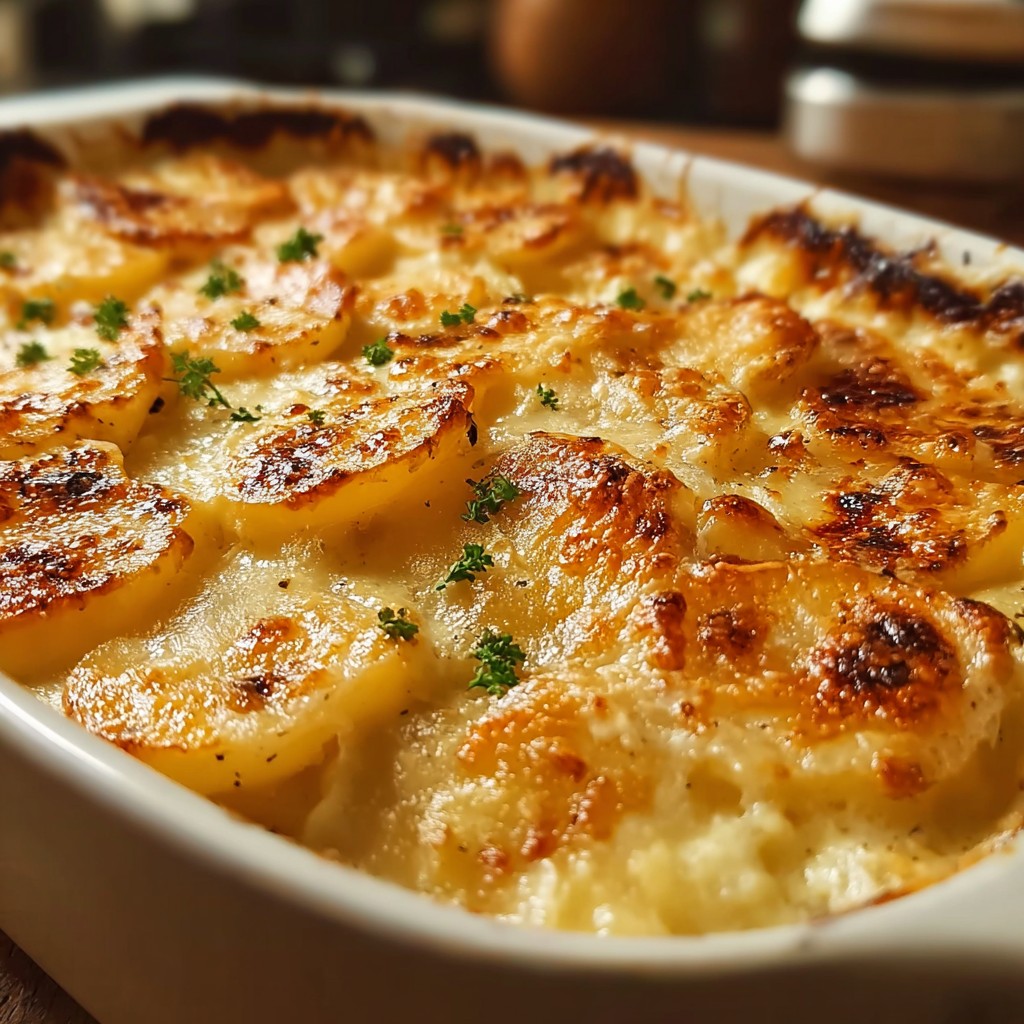
The nutritional profile of this scalloped potatoes recipe: a classic dish everyone loves, showcases a rich and satisfying comfort food option. Each serving (based on 8 servings) contains approximately 350 calories, 18 grams of fat, 10 grams of protein, and 38 grams of carbohydrates.
The dish is packed with dietary fiber from the potatoes, along with Vitamin C, potassium, and calcium from both the potatoes and dairy ingredients.
While the use of heavy cream and cheese does contribute to the saturated fat content, the balance of nutrients provides both energy and a sense of indulgence. For a lighter version, substitutions such as reduced-fat cheese or milk may be used, but this classic method ensures maximum flavor and creaminess.
For those monitoring their diet, it's important to enjoy scalloped potatoes in moderation, complementing the meal with protein and vegetables. To delve deeper into the health and nutritional content of potatoes, you may refer to the U.S. Department of Agriculture database for detailed facts.
Remember, this dish is best enjoyed as part of a balanced menu.
Wine/Beverage Pairings With Scalloped potatoes recipe: a classic dish everyone loves
The creamy, savory profile of scalloped potatoes pairs beautifully with an array of wines and beverages. For a harmonious wine pairing, opt for a medium-bodied white such as Chardonnay, which complements the richness of the cheese and cream without overpowering the dish.
Sauvignon Blanc or Pinot Grigio, with their crisp acidity, can also cut through the potatoes’ creaminess and refresh your palate. If you prefer red wine, a light Pinot Noir or Beaujolais will match the dish’s subtle flavors without adding excessive tannins.
Non-alcoholic options like sparkling water with a twist of lemon, unsweetened iced tea, or a lightly carbonated apple cider offer refreshing contrasts to the richness of your scalloped potatoes.
For special occasions, a dry sparkling wine or Champagne delivers a celebratory touch that enhances both the potatoes and the rest of your meal.
Cooking Tips and Variations
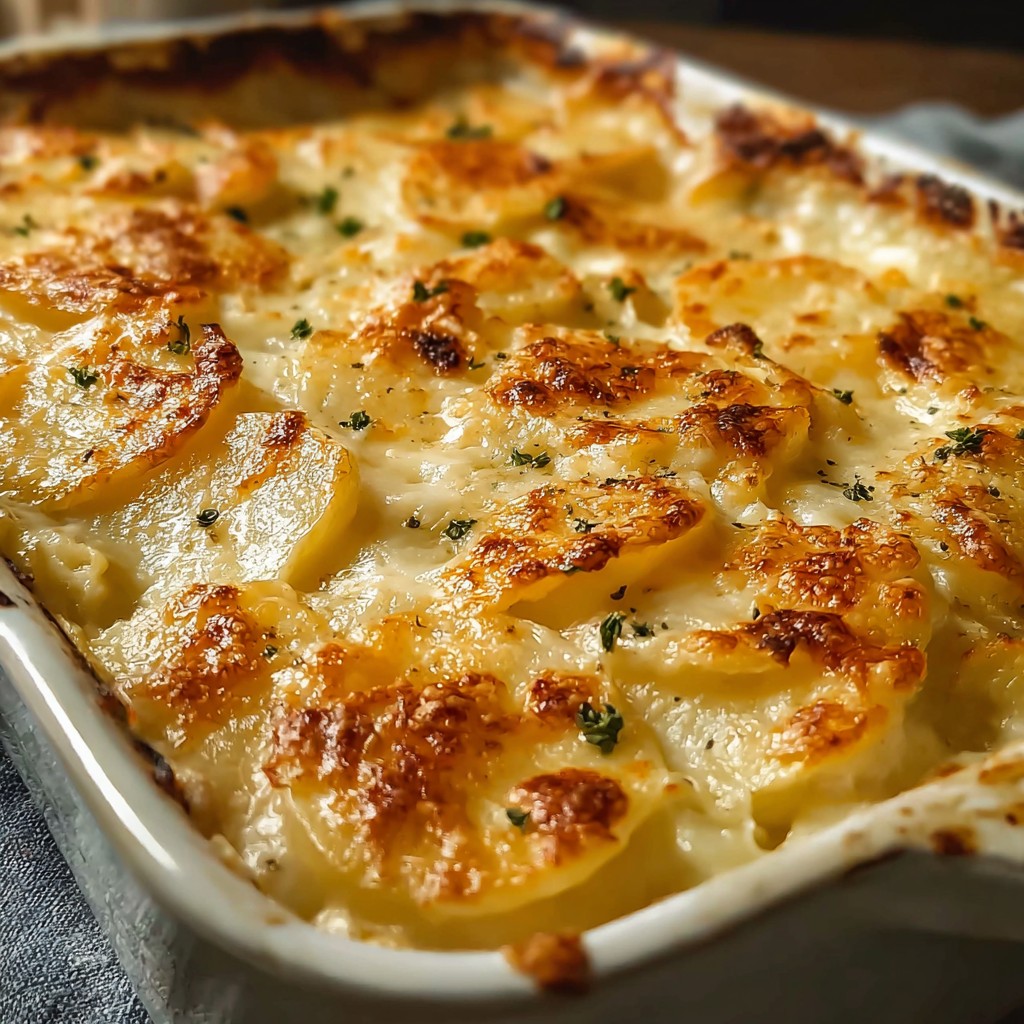
Perfecting your scalloped potatoes recipe: a classic dish everyone loves, is all about mastering the details. Begin by selecting starchy potatoes like russet or Yukon Gold for their creaminess and structure.
Uniform thin slicing is crucial to ensure even cooking; a mandoline or sharp chef’s knife will help achieve the ideal 1/8-inch thickness. When preparing the cheese sauce, whisk regularly to avoid lumps and make sure the cheese melts smoothly.
Experiment with cheese blends such as Gruyère, cheddar, or Swiss for a unique flavor profile. For added depth, sauté a few leeks or layer in caramelized onions with the potatoes.
If you enjoy a smoky note, a sprinkle of smoked paprika or bits of cooked bacon can be incorporated between the layers. To make this dish gluten-free, simply swap the all-purpose flour with cornstarch or a gluten-free flour blend.
Scalloped potatoes are wonderfully accommodating of different herbs, so consider mixing in rosemary, sage, or chives according to your taste. Finally, always let the dish rest after baking to allow the sauce to thicken and set, which makes serving easier and enhances the creamy consistency.
Flex these tips to suit your family’s preferences and dietary needs, ensuring your scalloped potatoes become the highlight of any meal.
Serving Suggestions
Scalloped potatoes recipe: a classic dish everyone loves, shines at festive gatherings, family dinners, and holiday celebrations. To serve this comforting casserole, slice portions with a wide spatula to preserve the beautiful layers and creamy consistency.
Present the potatoes directly from the baking dish or transfer to a warmed platter for an elegant presentation. This dish pairs excellently as a side with roasted meats such as ham, turkey, or beef, balancing robust flavors with its mild, creamy texture.
For vegetarian meals, serve alongside roasted vegetables, a fresh green salad, or a protein-rich legume dish. Enrich the plate with steamed green beans, sautéed asparagus, or braised Brussels sprouts for both color and nutrition. To impress guests, garnish the dish with extra fresh thyme or cracked black pepper.
If preparing ahead for a dinner party, the casserole can be assembled, covered, and refrigerated up to a day before baking; just allow additional time for reheating. Scalloped potatoes also reheat beautifully, making them a practical option for meal prepping or potlucks.
The versatility and comforting nature of this classic dish ensure it’s treasured in any setting.
Scalloped potatoes recipe: a classic dish everyone loves Health Benefits
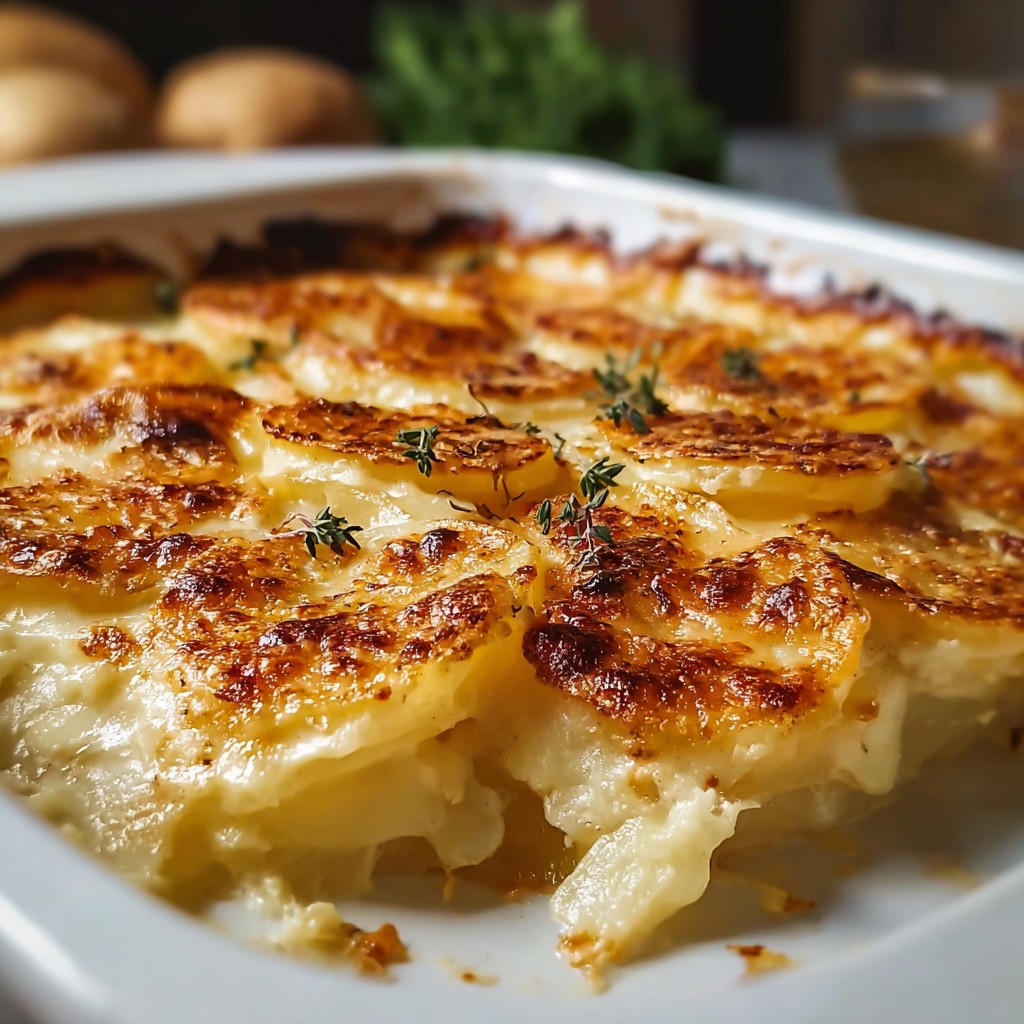
While traditional scalloped potatoes are known for their comforting richness, the dish also offers several nutritional advantages. Potatoes are an excellent source of complex carbohydrates, which provide lasting energy, and are rich in Vitamin C, potassium, and B vitamins.
The inclusion of milk and cheese further boosts calcium and protein levels, contributing to bone health and muscle maintenance. Incorporating fresh herbs like thyme adds antioxidants and flavor without extra calories.
While scalloped potatoes recipe: a classic dish everyone loves, contains dairy and has higher calorie content, you can easily lighten the recipe by using low-fat milk, lighter cheeses, or increased amounts of vegetables such as spinach or zucchini layered between the potatoes.
For those with special dietary considerations, such as gluten intolerance or lactose sensitivity, see our tips section for ingredient modifications. By balancing this dish with lean proteins and vegetables on your plate, you can savor the classic flavor while maintaining a well-rounded diet.
FAQs About Scalloped potatoes recipe: a classic dish everyone loves
Can I prepare scalloped potatoes in advance?
Yes, scalloped potatoes can be assembled up to a day in advance and refrigerated. Before baking, remove from the fridge and let sit at room temperature for about 30 minutes. Add a few extra minutes to the baking time if going straight from the fridge to the oven.
Can I freeze leftover scalloped potatoes?
While you can freeze cooked scalloped potatoes, the texture may change slightly upon reheating. For best results, cool completely, wrap tightly, and freeze for up to 2 months. Thaw in the refrigerator overnight and reheat covered in the oven.
What’s the difference between scalloped potatoes and au gratin potatoes?
Scalloped potatoes usually feature potatoes baked in a seasoned cream sauce, while potatoes au gratin also include a generous amount of cheese both in the sauce and often as a browned topping. The terms are sometimes used interchangeably.
Can I use other types of potatoes?
Yes, starchy potatoes like russets or Yukon Golds work best for tender, creamy scalloped potatoes. Waxy potatoes (such as red or new potatoes) may hold their shape better but yield a less creamy texture.
How can I make this dish gluten-free?
To make scalloped potatoes gluten-free, substitute the all-purpose flour in the sauce with cornstarch or a gluten-free flour blend. The rest of the recipe remains unchanged.
Scalloped potatoes recipe: a classic dish everyone loves, is more than just a side dish; it’s a heartwarming tradition that unites families and friends around the dinner table. Timeless in its appeal, this casserole offers the perfect blend of simplicity, flavor, and visual appeal. With layers of tender potatoes hugged by a velvety cheese sauce, the dish can easily be tailored to seasonal ingredients or dietary needs, making it a versatile favorite for both weeknights and holidays. Following the tips and techniques outlined above ensures a foolproof, creamy, and crowd-pleasing result every time. Rediscover the joy of home-cooked classics and let scalloped potatoes become a cherished centerpiece at your next gathering.
Ingredients
- 2 lbs russet potatoes, peeled and thinly sliced
- 2 cups whole milk
- 1 cup heavy cream
- 3 tablespoons unsalted butter
- 2 tablespoons all-purpose flour
- 1 1/2 cups shredded cheddar cheese
- 1 small onion, finely chopped
- 1 teaspoon salt
- 1/2 teaspoon ground black pepper
- 1/4 teaspoon garlic powder
Instructions
-
1Preheat your oven to 375°F (190°C) and lightly grease a 9×13-inch baking dish.
-
2In a saucepan over medium heat, melt the butter. Add chopped onion and cook until softened, about 3 minutes. Stir in the flour and cook for 1 minute.
-
3Gradually whisk in the milk and heavy cream. Add salt, pepper, and garlic powder. Cook, stirring constantly, until the sauce thickens, about 4-5 minutes.
-
4Remove sauce from heat and stir in 1 cup of shredded cheddar cheese until melted and smooth.
-
5Layer half of the sliced potatoes in the prepared baking dish. Pour half of the cheese sauce over the potatoes. Repeat with the remaining potatoes and sauce.
-
6Sprinkle the remaining 1/2 cup of cheddar cheese over the top. Cover with foil and bake for 45 minutes, then uncover and bake for an additional 15 minutes until golden and bubbly. Let stand 10 minutes before serving.
Approximate Information for One Serving
Nutrition Disclaimers
Number of total servings shown is approximate. Actual number of servings will depend on your preferred portion sizes.
Nutritional values shown are general guidelines and reflect information for 1 serving using the ingredients listed, not including any optional ingredients. Actual macros may vary slightly depending on specific brands and types of ingredients used.
To determine the weight of one serving, prepare the recipe as instructed. Weigh the finished recipe, then divide the weight of the finished recipe (not including the weight of the container the food is in) by the desired number of servings. Result will be the weight of one serving.
Did you make this recipe?
Please consider Pinning it!!