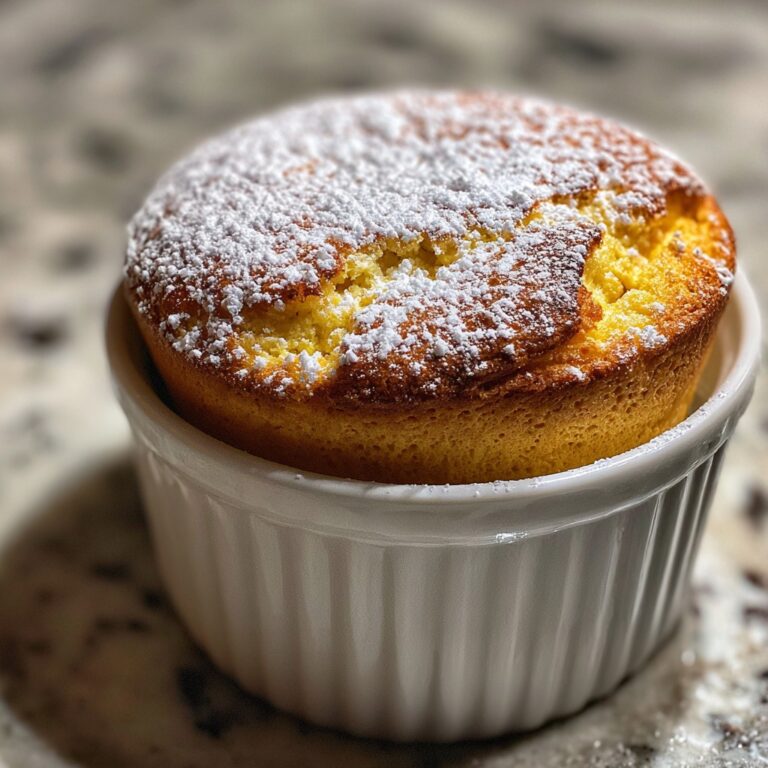
Creamy Pumpkin Egg Custard Recipe
Experience the delightful harmony of flavors and textures in the Creamy Pumpkin Egg Custard Recipe, a dessert that epitomizes autumn and the cozy gatherings of the season. Pumpkin custard brings together the rich, velvety character of classic egg custard with the earthy sweetness and vibrant color of pumpkin.
Custards have been enjoyed across many cultures for centuries, with eggs and milk forming the cornerstone of many traditional desserts. The Creamy Pumpkin Egg Custard Recipe beautifully merges these elements, resulting in a dessert that is both nostalgic and innovative.
Its rising popularity in modern kitchens is thanks to its comforting aroma and ease of preparation, as well as its appealing nutritional profile. Pumpkin is known for its high content of vitamins, minerals, and antioxidants, making it a seasonal favorite for wholesome treats.
This recipe is also very adaptable, allowing you to adjust its sweetness, texture, and warmth to suit your preferences. Whether prepared for a festive gathering or a weeknight sweet craving, this dish is sure to impress.
For more on the origins and variations of custard, visit a reputable culinary resource like Serious Eats (https://www.seriouseats.com/what-is-custard). Discover how to create this deliciously smooth and comforting Creamy Pumpkin Egg Custard Recipe at home, and bring a taste of autumn to your table year-round.
Ingredients for Creamy Pumpkin Egg Custard Recipe
- 1 cup pumpkin puree (homemade or canned)
- 1 1/2 cups whole milk
- 1/2 cup heavy cream
- 3 large eggs
- 2 egg yolks
- 2/3 cup granulated sugar
- 1/2 teaspoon vanilla extract
- 1/4 teaspoon ground cinnamon
- 1/4 teaspoon ground nutmeg
- 1/8 teaspoon ground ginger
- Pinch of salt
- Optional: whipped cream, caramel sauce, or chopped pecans for garnish
Instructions for Making Creamy Pumpkin Egg Custard Recipe
- Preheat your oven to 325°F (163°C). Place a large baking dish or roasting pan in the center rack—this will be used for a water bath.
- In a medium saucepan, combine the milk and heavy cream. Warm the mixture over medium heat until steaming but not boiling. Remove from heat and let cool slightly.
- In a large mixing bowl, whisk together the pumpkin puree, eggs, egg yolks, and sugar until smooth.
- Add the vanilla extract, cinnamon, nutmeg, ginger, and a pinch of salt to the mixture. Stir until everything is fully combined.
- Gradually pour the warm milk and cream into the pumpkin mixture, whisking constantly to prevent the eggs from curdling.
- Strain the custard mixture through a fine sieve into a large measuring cup or bowl to ensure a silky-smooth texture.
- Carefully pour the strained mixture into six 6-ounce ramekins, filling each about three-quarters full.
- Place the filled ramekins into the preheated baking dish. Pour hot water into the dish until it reaches halfway up the sides of the ramekins, creating a gentle water bath.
- Bake for 40-45 minutes, or until the edges are set but the centers still jiggle slightly when shaken.
- Remove the ramekins from the water bath and let cool to room temperature. Chill in the refrigerator for at least 2 hours before serving.
- Optional: Garnish the creamy pumpkin egg custard with a dollop of whipped cream, a drizzle of caramel sauce, or chopped pecans before serving.
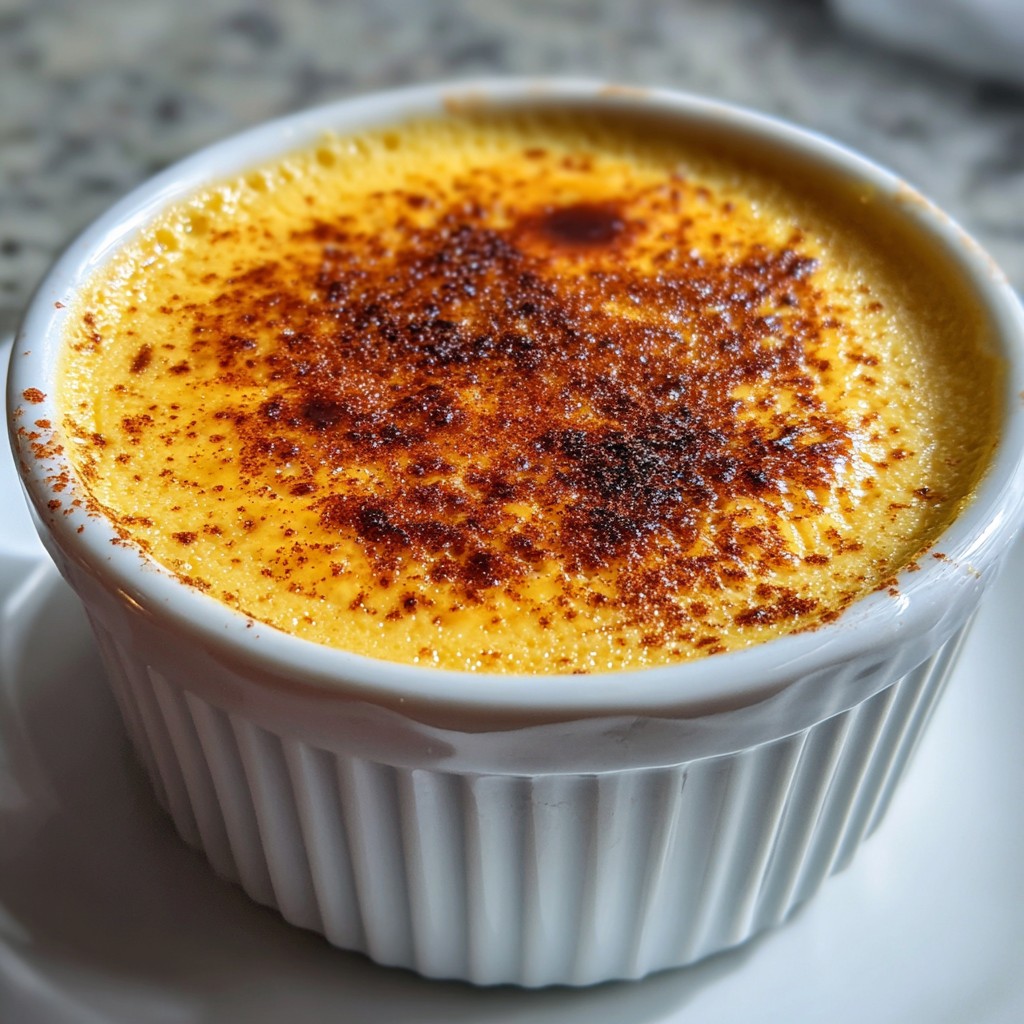
Nutritional Information
The Creamy Pumpkin Egg Custard Recipe is not just delicious but also provides a wealth of nutrients. Each serving (one ramekin size, approximately 6 ounces) contains around 210 calories, making it a moderate dessert choice.
Pumpkin is naturally low in calories while being high in fiber, vitamin A (from beta-carotene), vitamin C, potassium, and various antioxidants. Eggs supply high-quality protein, essential amino acids, vitamin D, and B vitamins, while whole milk and cream offer calcium for bone health and a creamy texture.
While the custard does contain sugar and some saturated fat, these can be adjusted for dietary needs by reducing sugar or using low-fat dairy alternatives. This recipe is also naturally gluten-free, appealing to a wide range of dietary preferences.
Custards are recognized for being less caloric than traditional cakes or pies yet equally satisfying.
For more in-depth nutritional breakdowns, visit Healthline's guide to pumpkin nutrition at https://www.healthline.com/nutrition/pumpkin. Portion control is recommended if you are sensitive to sugar or dietary cholesterol, but overall, this recipe achieves a lovely balance between indulgence and nutrition.
Wine/Beverage Pairings With Creamy Pumpkin Egg Custard Recipe
The Creamy Pumpkin Egg Custard Recipe pairs beautifully with a variety of beverages depending on the occasion. For a sophisticated dessert wine, try a late-harvest Riesling or a Sauternes, whose rich and honeyed notes complement the creamy and spiced character of the custard.
If you prefer something lighter, a Moscato d'Asti or an off-dry Gewürztraminer works well. For non-alcoholic choices, a spiced chai latte or freshly brewed black tea with a touch of honey accentuates the sweet and earthy flavors of pumpkin.
Coffee lovers might enjoy a medium roast coffee with a splash of cinnamon, and for a festive touch, serve with apple cider, either hot or cold. The Creamy Pumpkin Egg Custard Recipe is incredibly versatile and fits neatly into both dinner parties and casual afternoon teas.
Cooking Tips and Variations
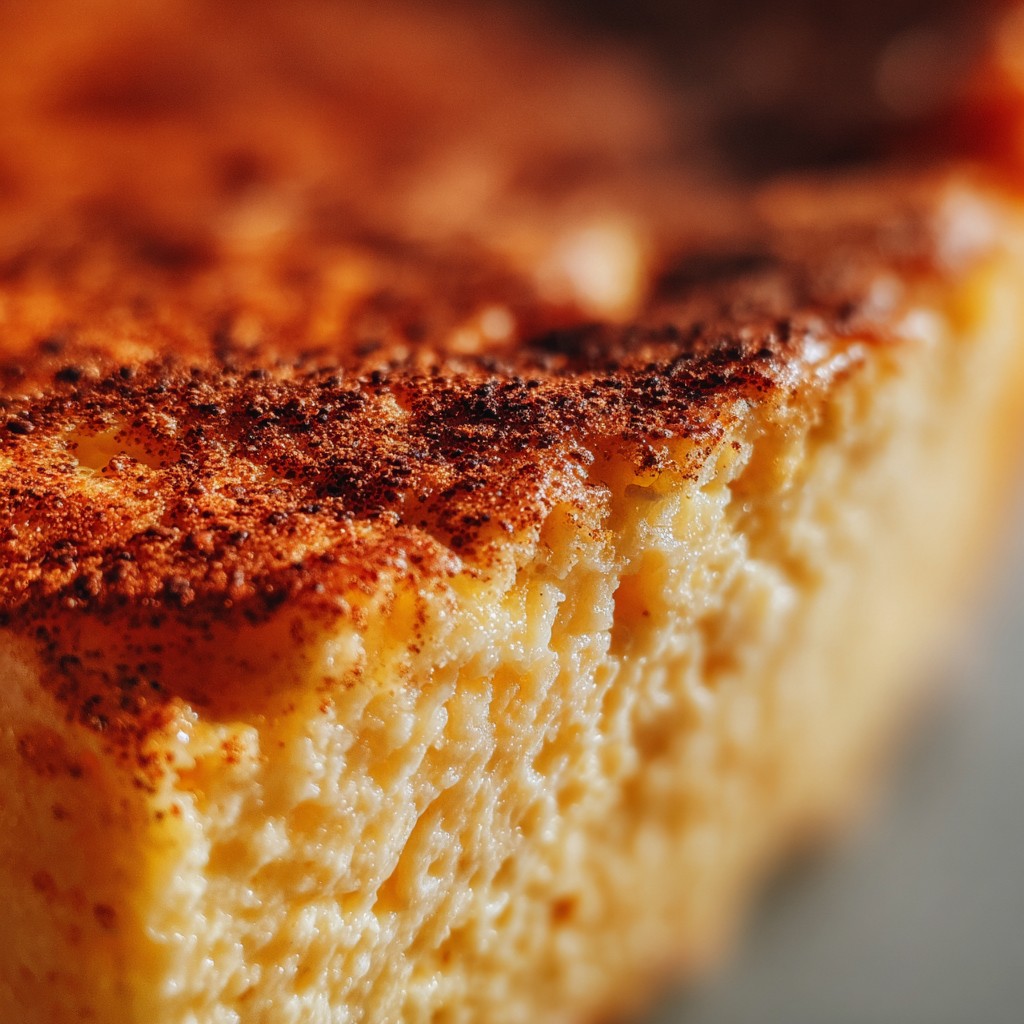
Achieving the perfect Creamy Pumpkin Egg Custard Recipe is all about method and attention to detail. First, always use pure, unsweetened pumpkin puree to control the flavor and sweetness of your custard. Homemade pumpkin puree often yields a fresher taste but canned versions are consistent and convenient.
For the silkiest texture, do not skip straining the custard mixture before pouring it into the ramekins. If you don't have ramekins, any oven-safe ceramic dish can work, but adjust baking time accordingly.
A gentle water bath is essential to prevent the eggs from curdling and ensures even cooking—make sure the hot water reaches at least halfway up the sides of your baking vessels. Variations abound: for a deeper spiced flavor, use pumpkin pie spice or add a splash of maple syrup.
Swap whole milk for coconut or almond milk for a dairy-free option, but expect a lighter texture. If you prefer a caramel layer, pour a spoonful of caramel into the ramekin base before adding your custard.
The Creamy Pumpkin Egg Custard Recipe adapts well to both traditional and modern twists, from infusing citrus zest to topping with toasted nuts or seeds. Always cool the custards completely and chill for a few hours for the most luxurious mouthfeel.
Serving Suggestions
Presenting your Creamy Pumpkin Egg Custard Recipe enhances both its aesthetic appeal and dining experience. Serve the custard in its individual ramekins for an elegant, restaurant-style presentation. Chilled custards can be removed from the fridge just a few minutes before serving to allow the texture to soften slightly.
For extra visual appeal, top each custard with a swirl of whipped cream, a sprinkle of cinnamon or nutmeg, and a handful of candied pecans or roasted pumpkin seeds for crunch.
In autumn and winter, pair the custard with a crisp shortbread cookie or ginger snap on the side to complement its creamy warmth. For a more dramatic approach, place the ramekins on a wooden board garnished with edible flowers or autumn leaves.
If preparing for a gathering, set out various toppings, like vanilla ice cream, caramel drizzle, or spiced chocolate shavings, and let guests personalize their dessert. The Creamy Pumpkin Egg Custard Recipe is also delightful when layered with crumbled cookies and fruit compote in a parfait glass for an updated twist.
Whether you serve it family-style or individually, this dessert brings both comfort and sophistication to any table.
Creamy Pumpkin Egg Custard Recipe Health Benefits
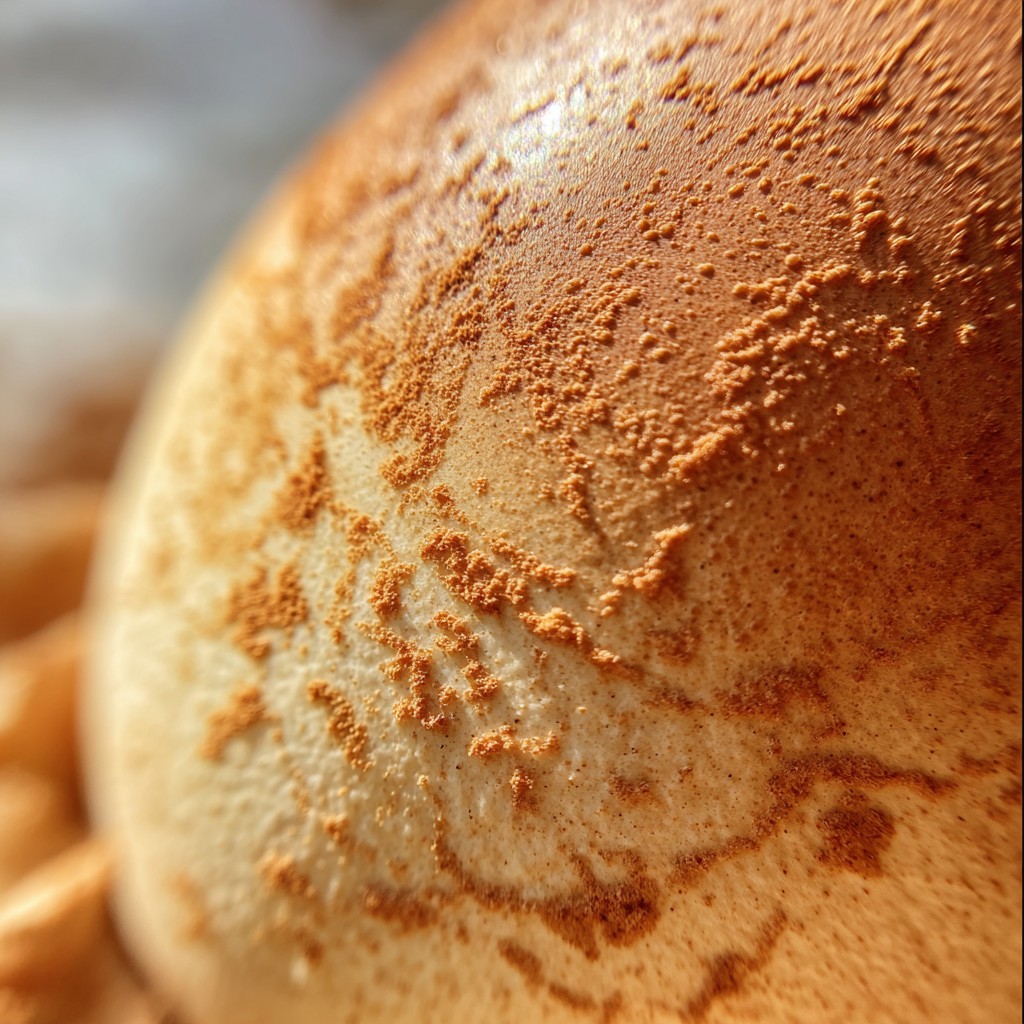
The Creamy Pumpkin Egg Custard Recipe not only satisfies your sweet tooth but also offers noteworthy health benefits. Pumpkin is a powerhouse of nutrition, particularly rich in vitamin A, which supports vision health and immune function.
The dietary fiber found in pumpkin aids digestion and can contribute to a feeling of satiety, helping manage portion sizes. Eggs provide complete protein and are a source of essential vitamins, including B12 and D, supporting muscle health and cognitive function.
Choosing whole milk and cream grants a luscious texture but swapping for lower-fat alternatives can further reduce saturated fat content. The spices—cinnamon, nutmeg, and ginger—bring anti-inflammatory and antioxidant effects. This custard is a gluten-free dessert, catering to those with gluten sensitivities.
To further enhance its benefits, sweetener amounts can be reduced or replaced with natural alternatives like maple syrup or coconut sugar. For those mindful of cholesterol, egg yolks can be partly substituted with additional egg whites, though this will change the rich texture.
For more on pumpkin's health profile, see Medical News Today (https://www.medicalnewstoday.com/articles/279610). When enjoyed in moderation, the Creamy Pumpkin Egg Custard Recipe is a dessert that delivers both flavor and nutritional value.
FAQs About Creamy Pumpkin Egg Custard Recipe
Can I use fresh pumpkin instead of canned pumpkin puree in the Creamy Pumpkin Egg Custard Recipe?
Yes, you can use fresh pumpkin. Steam or roast pumpkin pieces until tender, then blend until smooth. Make sure to drain excess moisture to avoid a watery custard.
How do I know when my Creamy Pumpkin Egg Custard is perfectly cooked?
The custard is ready when the edges are set but the center jiggles slightly when gently shaken. Overbaking can cause a rubbery texture, so start checking at the 40-minute mark.
Can the Creamy Pumpkin Egg Custard Recipe be made ahead of time?
Absolutely! Prepare and chill the custards a day in advance. Cover each ramekin to prevent absorbing fridge odors. Add garnishes just before serving.
Is this Creamy Pumpkin Egg Custard Recipe suitable for people with gluten intolerance?
Yes, the recipe is naturally gluten-free. However, always ensure that all pre-made ingredients (like canned pumpkin) are certified gluten-free.
Can I make this Creamy Pumpkin Egg Custard Recipe dairy-free?
Yes, substitute whole milk and cream with plant-based alternatives like almond, coconut, or oat milk. The texture will be lighter, but the flavor remains delicious.
The Creamy Pumpkin Egg Custard Recipe is a testament to the joys of seasonal baking—bringing together the natural sweetness of pumpkin, the richness of eggs, and a fragrant blend of spices. Its effortless preparation and nourishing qualities make it a go-to dessert for feasts or any night you crave warmth and comfort. This custard is easily tailored for diverse dietary needs, offering a gluten-free option rich in classic flavor and creamy texture. Serve it elegantly or dress it down for casual occasions; either way, its comforting nature shines through. Prepare your own Creamy Pumpkin Egg Custard Recipe this season and savor the best of autumn’s bounty with every silky, spiced bite.
Ingredients
- 1 cup pumpkin puree
- 3 large eggs
- 1 cup whole milk
- 1/2 cup heavy cream
- 1/2 cup granulated sugar
- 1 teaspoon vanilla extract
- 1/2 teaspoon ground cinnamon
- 1/4 teaspoon ground nutmeg
- 1/8 teaspoon salt
Instructions
-
1Preheat the oven to 325°F (165°C). Prepare four ramekins and place them in a baking dish.
-
2In a large bowl, whisk together the pumpkin puree, eggs, and sugar until smooth.
-
3Add the milk, heavy cream, vanilla extract, cinnamon, nutmeg, and salt. Whisk until fully combined.
-
4Pour the custard mixture evenly into the prepared ramekins.
-
5Fill the baking dish with hot water until it reaches halfway up the sides of the ramekins. Bake for 40-45 minutes, or until the custard is set but still slightly jiggly in the center.
-
6Remove from the oven and let the custards cool. Serve warm or chilled, as desired.
Approximate Information for One Serving
Nutrition Disclaimers
Number of total servings shown is approximate. Actual number of servings will depend on your preferred portion sizes.
Nutritional values shown are general guidelines and reflect information for 1 serving using the ingredients listed, not including any optional ingredients. Actual macros may vary slightly depending on specific brands and types of ingredients used.
To determine the weight of one serving, prepare the recipe as instructed. Weigh the finished recipe, then divide the weight of the finished recipe (not including the weight of the container the food is in) by the desired number of servings. Result will be the weight of one serving.
Did you make this recipe?
Please consider Pinning it!!